Advanced Hair Transplant on Scar
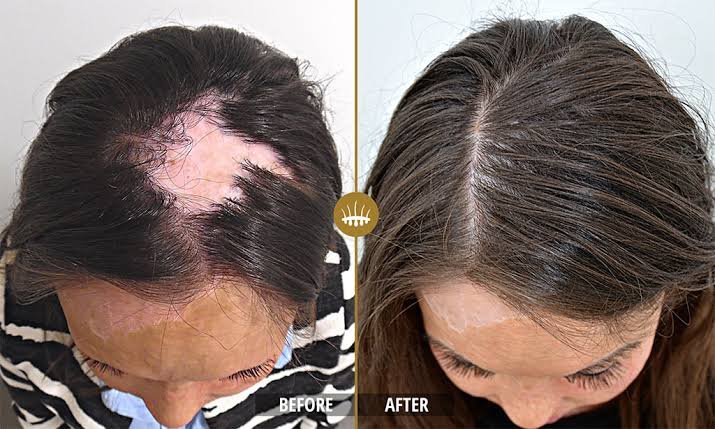
Restore healthy hair growth over surgical scars, trauma marks, burns, or prior strip transplant scars (FUT) using targeted micro-FUE follicle grafting designed for scarred tissue.
Key Benefits of Scar Revision Grafting
Why targeted hair transplantation is an effective solution for concealing scar tissue
Complete Scar Camouflage
Conceals bare patches caused by scar tissue by implanting healthy, living follicles directly into and around the affected area.
Custom Angle Matching
Grafts are implanted at precise angles and orientations to seamlessly blend with the surrounding natural hair pattern.
Restored Hair Confidence
Eliminates the need to comb over or cover up visible scars on the scalp, eyebrows, or beard area.
Overcoming Fibrotic Tissue Challenges
Transplanting hair into scar tissue requires a modified surgical approach compared to normal scalp tissue. Because scar tissue is denser and has reduced blood supply (vascularity), careful evaluation of tissue depth and flexibility is critical.
Using refined Micro-FUE techniques, individual grafts are placed at optimal spacing to ensure maximum blood supply access. In some cases, regenerative therapies or staged sessions are utilized to promote optimal graft survival and skin healing.
The Treatment Process
A structured clinical path to successfully restoring hair over scar tissue
Scar Evaluation
Assessing scar thickness, blood supply, flexibility, and underlying tissue viability prior to surgery.
Donor Extraction
Selecting resilient individual follicular units from stable donor zones on the scalp or body.
Targeted Implantation
Creating micro-incisions angled precisely to match natural growth directions into the fibrotic scar bed.
Regenerative Growth
New hair takes root, matures over 6 to 12 months, and continuously improves the cosmetic appearance of the scar.
Types of Scars Suitable for Hair Transplant
Common scar types successfully treated with reconstructive hair grafting
FUT Strip & Surgical Scars
Covers linear scars from older strip hair transplants, neurosurgery, or cosmetic facial procedures.
Accident & Injury Scars
Fills in bare patches on the scalp, eyebrows, or beard resulting from lacerations, falls, or physical trauma.
Burn Scars & Skin Grafts
Restores hair density over healed thermal burn areas or skin graft sites once tissue stability is established.
Post-Procedure Care (Do's)
- ✔ Keep the transplanted scar area clean and moist with prescribed saline spray for the first week.
- ✔ Protect the delicate recipient area from accidental friction or pressure while sleeping.
- ✔ Follow recommended post-op washing protocols gently using lukewarm water and mild shampoo.
- ✔ Attend scheduled follow-up visits to monitor blood circulation and graft integration progress.
Things to Avoid (Don'ts)
- ✖ Do not pick, scratch, or rub the crusts or scabs forming over the transplanted scar tissue.
- ✖ Avoid intense physical activity, heavy lifting, or strenuous workouts for at least 10 to 14 days.
- ✖ Do not expose the healing scar area to direct sunlight or tanning beds during recovery.
- ✖ Avoid wearing tight headwear, helmets, or caps that press directly against the graft zone.
